



Amino acid Transporter
氨基酸转运蛋白
Amino acid transporters are a class of membrane proteins responsible for transporting amino acids between the inside and outside of cells, crucial for maintaining the balance of amino acid concentrations. The SLC3 and SLC7 families are two well-studied classes of amino acid transporters. The SLC7 family includes cationic amino acid transporters (CATs) and L-type amino acid transporters (LATs), with LATs typically forming heterodimeric complexes with the heavy chain subunits of the SLC3 family through disulfide bonds, known as heteromeric amino acid transporters (HATs).
Amino acid transporters are involved in regulating intracellular signaling pathways such as the mammalian target of rapamycin complex 1 (mTORC1) and the general control non-derepressible (GCN) pathways, influencing protein synthesis, cell proliferation, and growth through the regulation of these signaling pathways. Dysfunctions in amino acid transporters are associated with diseases such as hereditary aminoaciduria, tumor growth, and absorption disorders in the intestines and kidneys. Specific transporters, like LAT1 and SLC7A5, play crucial roles in the proliferation and metabolism of tumor cells and can serve as potential drug targets[1][2].
All Product Categories
-
Amino acid Transporter Related Products (29)
Related Products (29)

- 1
- 2
-
DOPE
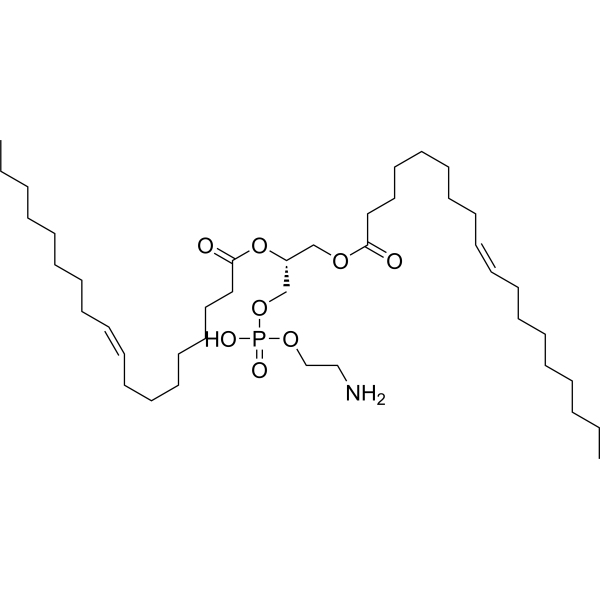 0 ImagesSynonyms: Dioleoylphosphatidylethanolamine; 1,2-Dioleoyl-sn-glycero-3-phosphoethanolamineDOPE (Dioleoylphosphatidylethanolamine; 1,2-Dioleoyl-sn-glycero-3-phosphoethanolamine) is an orally active inhibitor of ferroptosis with anti-inflammatory and intestinal barrier maintenance activities. DOPE regulates the expression of ACSL4, SLC7A11 and GPX4 to restore the redox system balance, thereby reducing the levels of lipid peroxides, iron ions and intestinal inflammatory factors (IL-1β and IL-6). DOPE promotes the migration and proliferation of intestinal epithelial cells and increases the level of tight junction proteins; it also destabilizes endosomal membranes, mediates the conjugation of RVG peptides with mesenchymal stem cell-derived exosomes to enhance brain targeting. DOPE can be applied to research related to neonatal necrotizing enterocolitis and Alzheimer's disease.
-
MeAIB
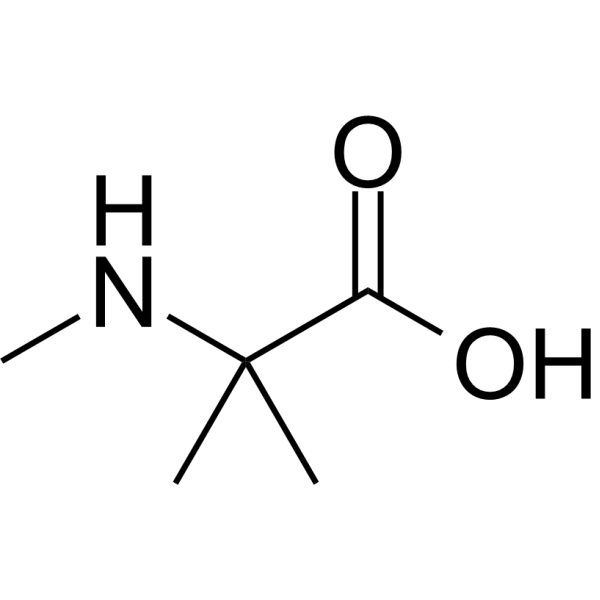 0 ImagesMeAIB (α-(Methylamino)isobutyric acid) is a specific substrate for amino acid transport system A (ATA1). ATA mediate the uptake of short-chain neutral amino acids in a Na+-dependent manner.
-
KMH-233
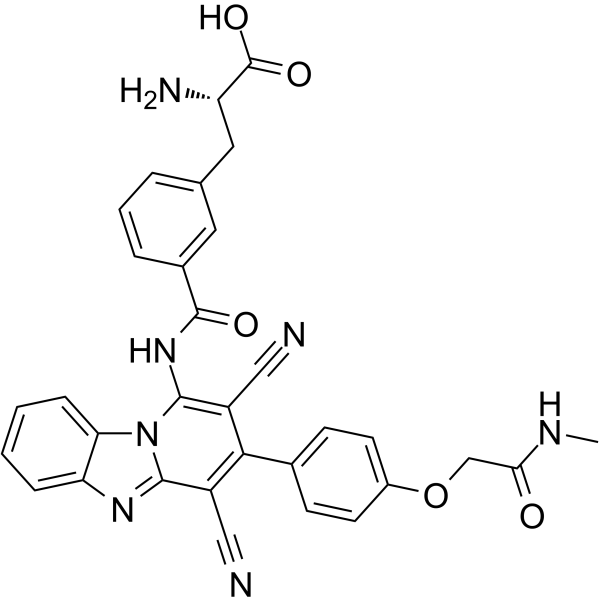 0 ImagesKMH-233, a potent, reversible and selective inhibitor of l-type amino acid transporter LAT1/SLC7A5, inhibits the uptake of LAT1 substrate, l-leucin (IC50=18 μM) as well as cell growth. KMH-233 significantly potentiates the efficacy of Bestatin and Cisplatin even at low concentrations (25 μM).
-
SXC2023
 0 ImagesSXC2023 is a glutamatergic reagent and cystine-glutamate antiporter (System xc−) activator. SXC2023 can affect SLC7A11. SXC2023 is applicable to the research of colorectal cancer and trichotillomania.
-
JNT-517
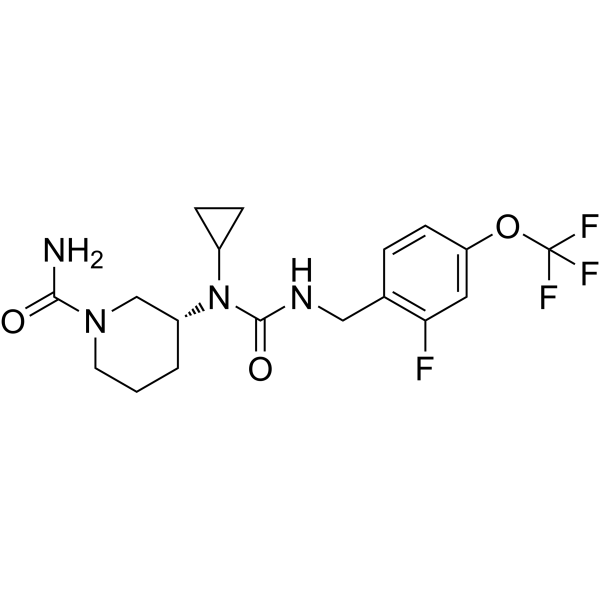 0 ImagesJNT-517 is an orally active, selective SLC6A19 allosteric inhibitor with an IC50 of 47 nM for human SLC6A19. JNT-517 can be used for the study of phenylketonuria (PKU).
-
Butyryl-L-carnitine chloride
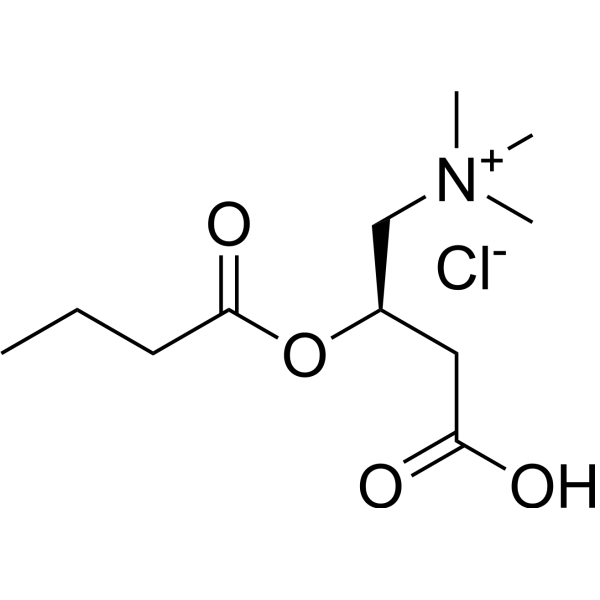 0 ImagesButyryl-L-carnitine chloride is an acylcarnitine that can be isolated from Plasma/Serum.
-
Cinromide
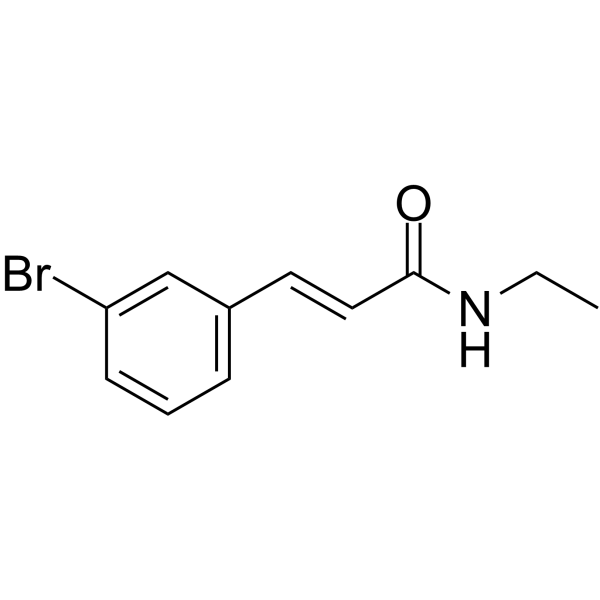 0 ImagesSynonyms: trans-3-Bromo-N-ethylcinnamamideCinromide is an anticonvulsant agent. Cinromide inhibits epithelial neutral amino acid transporter B0AT1 (SLC6A19) with an IC50 of 0.5 μM.
-
LQFM215
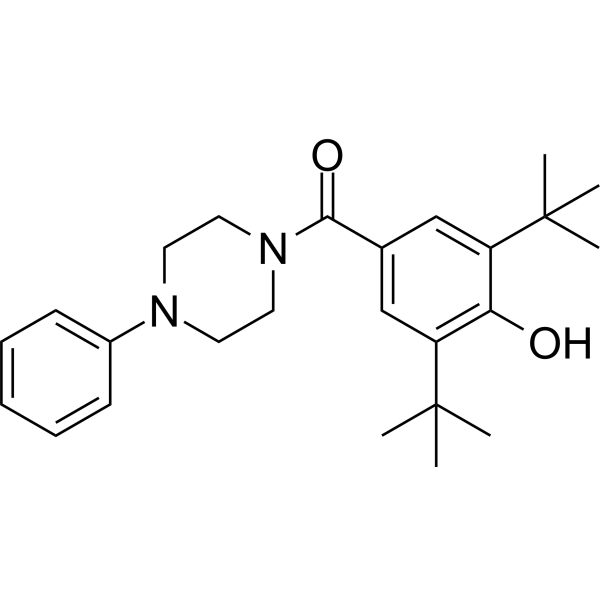 0 ImagesLQFM215 is a proline transporter (PROT) inhibitor. LQFM215 inhibits proline transport by competitively binding to the active site of PROT. LQFM215 effectively reduces hyperlocomotion and enhances social interaction.
-
JX237
 0 ImagesJX237 is an inhibitor of the epithelial neutral amino acid transporter B0AT1 (SLC6A19) with an IC50 value of 31 nM. SLC6A19 is the main transporter for the absorption of neutral amino acids in the intestines and their reabsorption in the kidneys. By inhibiting B0AT1, JX237 can be used for the study of disorders of amino acid metabolism.
-
SZ0232
 0 ImagesSZ0232 is a selective mPGES-2 inhibitor. SZ0232 binds to the active site of mPGES-2 via hydrogen bonds and π-π stacking, reduces the production of prostaglandin E2 (PGE2) and blocks the PGE2-EP3 pathway. SZ0232 regulates Ferroptosis by activating the heme-dependent p53/SLC7A11/GPX4 axis, inhibits lipid peroxidation, and protects renal tubules. SZ0232 enhances glucose-stimulated insulin secretion, inhibits β-cell senescence, and improves glucose homeostasis. SZ0232 reduces renal lipid accumulation, alleviates fibrosis, and ameliorates renal dysfunction in diabetic mice. SZ0232 inhibits renal cyst growth in polycystic kidney disease models. SZ0232 exhibits an insulinotropic effect that strengthens with the increase of animal age. SZ0232 can be used in studies related to type 2 diabetes, acute kidney injury, diabetic kidney disease, and autosomal dominant polycystic kidney disease.
-
PROT-IN-1
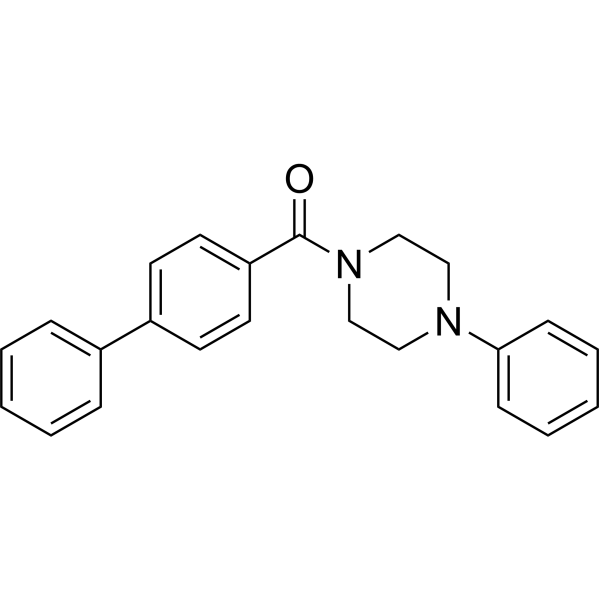 0 ImagesPROT-IN-1 is a PROT inhibitor (IC50: 1.48 μM). PROT-IN-1 is applicable to research related to cognitive impairment.
-
SLC6A19-IN-4
 0 ImagesSLC6A19-IN-4 is an allosteric-competitive and orally active B0AT1 inhibitor. SLC6A19-IN-4 inhibits both human and mouse B0AT1 with IC50 values of 513 nM and 295 nM, respectively. SLC6A19-IN-4 exhibits excellent metabolic stability. SLC6A19-IN-4 significantly increases urinary phenylalanine (Phe) excretion and reduces plasma Phe levels through dual inhibition of B0AT1 in both the intestine (reducing absorption) and kidney (promoting excretion) in vivo. SLC6A19-IN-4 can be used for phenylketonuria (PKU) and other disorders involving SLC6-family transporters research.
-
AKR1B1/STAT3/SLC7A11-regulator-1
 0 ImagesCat. No.: HY-176719CAS No.: 2632263-80-8AKR1B1/STAT3/SLC7A11-regulator-1 (5a) is an AKR1B1/STAT3/SLC7A11 regulator that reverses DOX resistance in MCF-7/ADR cells by enhancing ferroptosis activity. AKR1B1/STAT3/SLC7A11-regulator-1 can be used in breast cancer research.
-
DOPE (GMP)
 0 ImagesCat. No.: HY-112005GCAS No.: 4004-05-1Synonyms: Dioleoylphosphatidylethanolamine (GMP); 1,2-Dioleoyl-sn-glycero-3-phosphoethanolamine (GMP)DOPE GMP is DOPE (HY-112005) produced by using GMP guidelines. GMP small molecules works appropriately as an auxiliary reagent for cell therapy manufacture. DOPE (Dioleoylphosphatidylethanolamine; 1,2-Dioleoyl-sn-glycero-3-phosphoethanolamine) is an orally active inhibitor of ferroptosis with anti-inflammatory and intestinal barrier maintenance activities. DOPE regulates the expression of ACSL4, SLC7A11 and GPX4 to restore the redox system balance, thereby reducing the levels of lipid peroxides, iron ions and intestinal inflammatory factors (IL-1β and IL-6). DOPE promotes the migration and proliferation of intestinal epithelial cells and increases the level of tight junction proteins; it also destabilizes endosomal membranes, mediates the conjugation of RVG peptides with mesenchymal stem cell-derived exosomes to enhance brain targeting. DOPE can be applied to research related to neonatal necrotizing enterocolitis and Alzheimer's disease.
-
SLC6A19-IN-6
 0 ImagesCat. No.: HY-187959CAS No.: 851269-95-9SLC6A19-IN-6 is a B0AT1 (SLC6A19) inhibitor. SLC6A19-IN-6 inhibits sodium-dependent neutral amino acid transport. SLC6A19-IN-6 can be used for research on non-alcoholic steatohepatitis.
-
Fluciclovine
 0 ImagesCat. No.: HY-14889CAS No.: 222727-43-7Fluciclovine is an amino acid analogue that can enter cells by targeting the amino acid transporters on the cell surface (mainly ASCT2 and LAT1). After being labeled with ¹⁸F, ¹⁸F-fluciclovine can be used as an imaging agent for positron emission tomography (PET) for prostate diagnosis imaging.
-
Piezo1 agonist 2
 0 ImagesCat. No.: HY-181743CAS No.: 3124796-49-9
-
LAT1-IN-2 hydrochloride
 0 ImagesCat. No.: HY-183147ALAT1-IN-2 hydrochloride is an orally active anticancer agent, as well as a LAT1 substrate and tubulin-binding agent. LAT1-IN-2 hydrochloride relies on LAT1 for cellular uptake, disrupts microtubule formation by binding to the colchicine site of tubulin, and induces actin depolymerization to transform cells into a spherical shape. LAT1-IN-2 hydrochloride effectively inhibits tumor growth in xenograft mice. Compared with Etoposide (HY-13629), LAT1-IN-2 hydrochloride shows higher distribution in tumor tissues, lower distribution in major organs, and better tolerability. LAT1-IN-2 hydrochloride has been applied in studies related to esophageal cancer.
-
SLC6A19-IN-3
 0 ImagesCat. No.: HY-179107CAS No.: 3104477-57-5SLC6A19-IN-3 (Compound 83-P1-P2) is a potent, selective and orally active SLC6A19 inhibitor with an IC50 of 28 nM. SLC6A19-IN-3 can block SLC6A19-mediated transmembrane transport of phenylalanine, reducing intestinal absorption of phenylalanine from food and renal tubular reabsorption of phenylalanine. SLC6A19-IN-3 can be used for the research of metabolic disease, such as phenylketonuria.
-
JN-170
 0 ImagesCat. No.: HY-158161CAS No.: 3032920-98-9JN-170 is a potent and highly selective inhibitor and transport corrector of human SLC6A19 (IC50=47 nM). Furthermore, at a concentration of 35 μM, JN-170 exhibits no activity against SLC1A5, SLC7A5, or SLC6A8. JN-170 is applicable to research on phenylketonuria (PKU) and hyperphenylalaninemia. JN-170 is also suitable for studies related to various metabolic disorders, including tyrosinemia, maple syrup urine disease, urea cycle disorders, and hyperammonemia.
- 1
- 2



